File readiness is not clinical approval
A surgical guide request combines imaging, surface records, planning instructions and a specific guided-surgery system. A file that opens successfully is not automatically complete or suitable for the case. This checklist concerns preparing the handoff; the responsible clinician must assess imaging suitability, approve the treatment plan and verify the guide clinically.
Keep a single case reference across the submission and make sure the imaging and surface scans belong to the same case and intended treatment stage. Explain any differences between the records rather than asking the designer to infer them.
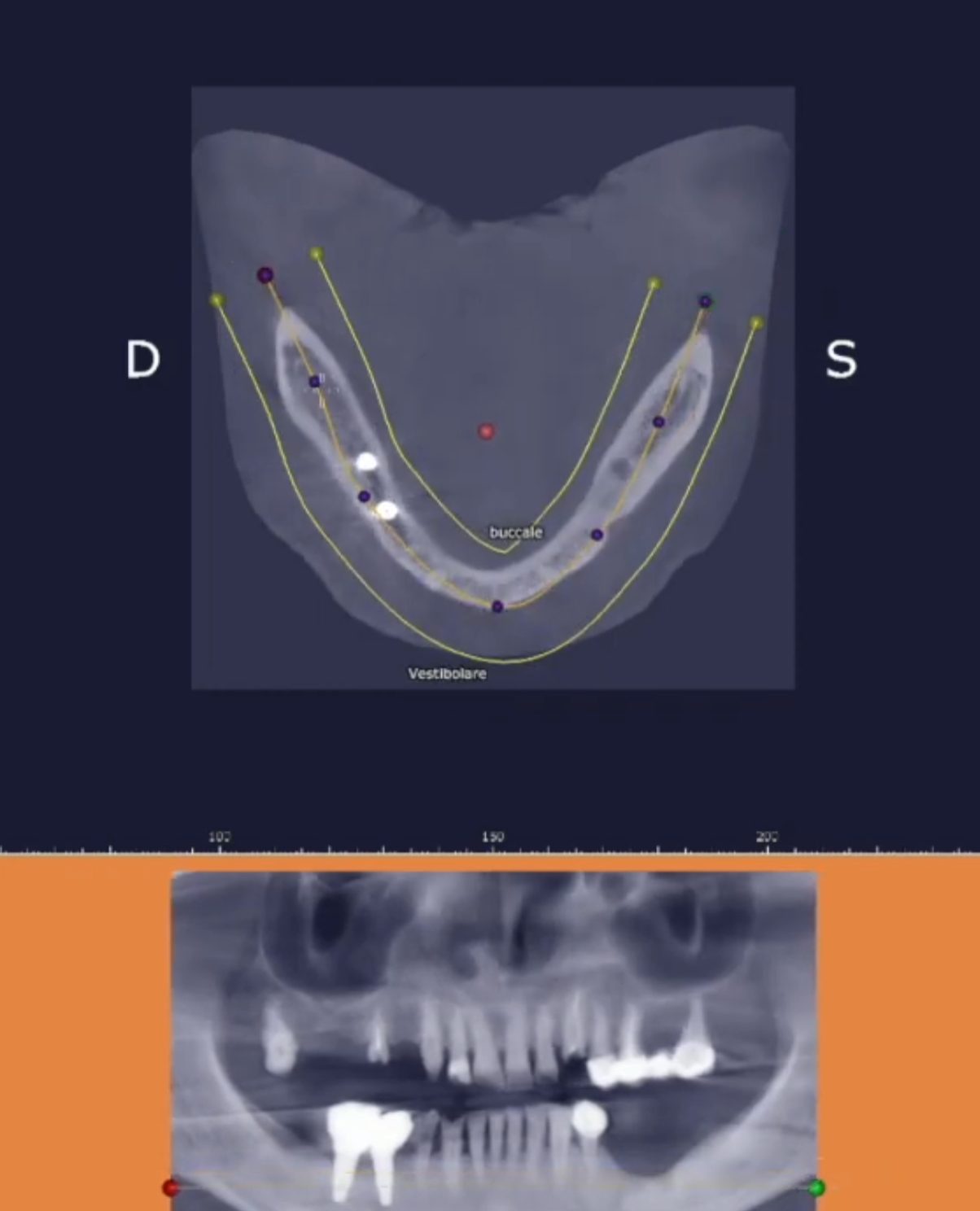
Export the complete CBCT series
Provide the original CBCT series in DICOM format, exported using the imaging software's supported process. Screenshots, a PDF report or a rotating 3D preview are not substitutes for the imaging data used in planning. If the export contains several series, identify the relevant one and retain the files required to read it.
Before sending, check that the export is readable in a compatible viewer and that the expected series is present. Ask the clinician to confirm whether coverage and image quality are suitable for the intended procedure. File checks cannot establish anatomical safety or justify a treatment plan.
Label the surface scans and supporting records
Supply the surface scans requested for the chosen workflow, commonly the relevant arch and any opposing arch, bite or prosthetic reference needed for the case. Label each export by its role. Edentulous workflows may require additional records under the clinician's protocol; do not assume that a single surface scan is sufficient for every guide.
Tell the designer whether the scan represents the current dentition, an existing denture, a diagnostic setup or another reference. Preserve the export's intended scale and avoid unnecessary mesh reduction or trimming that removes useful surfaces.
Identify the exact guided-surgery system
Implant and guided-kit names must be specific enough to identify compatible components. A brand name alone may not identify the sleeve, drill protocol or library required. Supply the exact component references available and the current manufacturer's instructions; compatibility should be confirmed rather than assumed.
- Implant system and relevant component references
- Guided-surgery kit and intended drilling protocol
- Sleeve or sleeveless system details, where applicable
- Approved planning project, if a plan already exists
- Prosthetic reference and clinician instructions
- Requested output and the lab's production method
Separate an existing plan from a planning request
If implant positions have already been approved, send the supported planning project or export and identify its approved version. If planning assistance is requested, say so explicitly. The designer should not treat an informal screenshot or an unapproved proposal as authorization for the final guide.
Resolve missing kit references, conflicting records or unclear instructions before the guide is finalized. Keep the clinician's approval linked to the final version, especially if imaging, implant positions or the prosthetic reference changes.
Confirm production and final checks
The manufacturing lab must follow the instructions for the selected guide material, equipment and components, including processing and any validated sterilization protocol. Do not reuse settings from another resin or assume that every printed guide supports the same procedure.
DM Dental Design can review the supplied records and confirm the design scope before starting. The final guide still requires the lab's manufacturing checks and the clinician's assessment of seating, stability and suitability before use. A CAD file does not guarantee clinical fit or a surgical outcome.
Frequently asked questions
- Can I submit CBCT screenshots instead of DICOM files?
- Screenshots do not replace the complete DICOM imaging series needed for planning. Export the original series using the imaging software's supported process.
- Do you need the guided-surgery kit details?
- Yes. Provide the exact kit and relevant component references so compatibility can be checked rather than inferred from the implant brand.
- Does a complete file submission mean the guide is clinically approved?
- No. The responsible clinician must approve the plan and verify the guide clinically; the lab must perform the required manufacturing checks.